
Quality Control

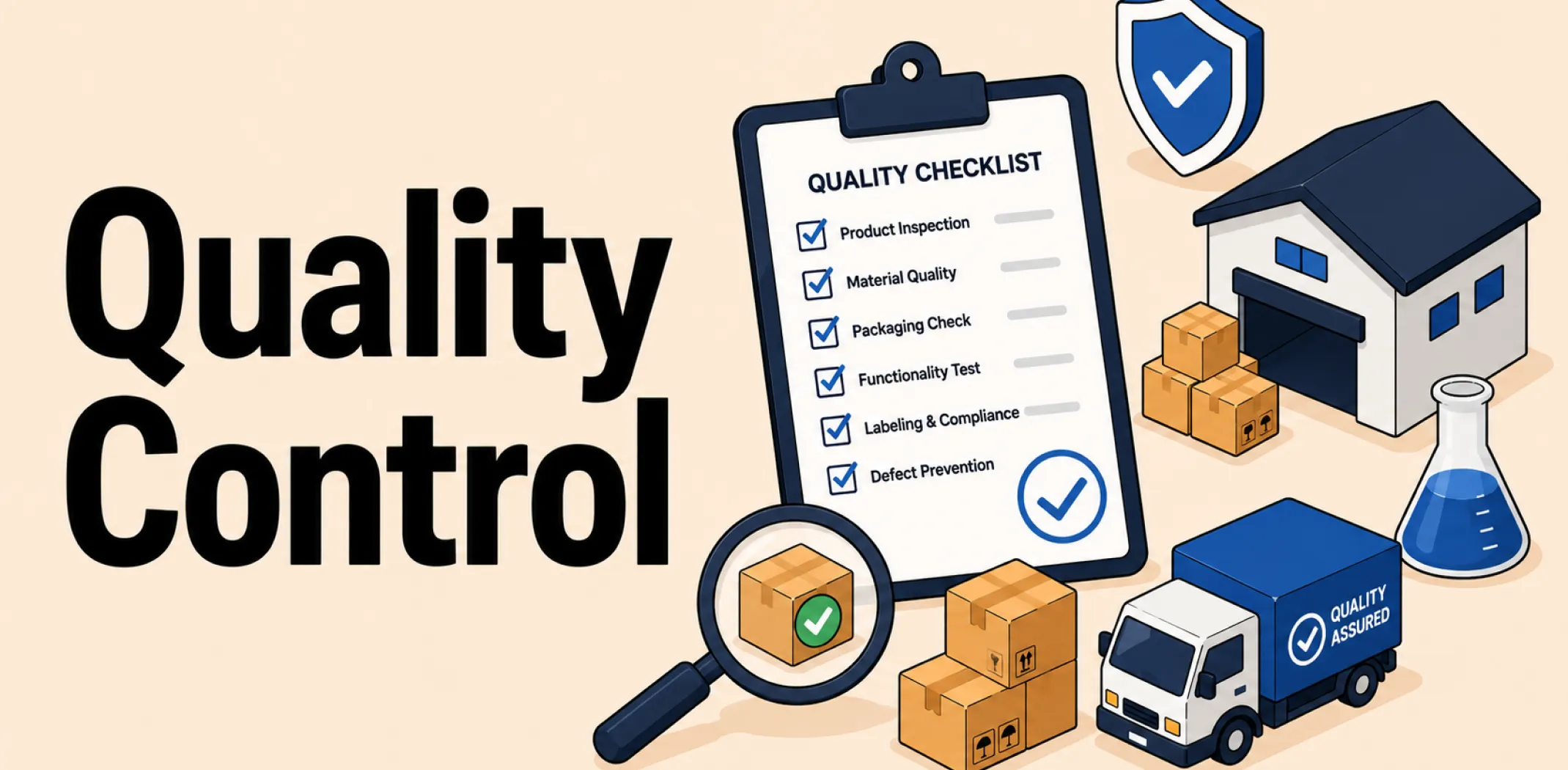
Quality control is a systematic process in which products are inspected and tested against defined standards at one or more points in the supply chain to identify defects, inconsistencies, or failures before goods reach the end customer.
In traditional retail and manufacturing, quality control is typically performed at the factory or warehouse level before goods are dispatched. In dropshipping, the store owner never physically handles the product, which means direct inspection at the point of manufacture or packing is generally not possible.
Quality control in this context shifts toward upstream measures – supplier selection, sample testing, and performance monitoring – rather than hands-on inspection of individual outbound units. The consequences of poor quality in dropshipping are direct: defective products generate returns, disputes, and negative reviews that affect both the store’s conversion funnel and its standing on any marketplace where it operates.
Quality control is closely related to supplier management – the two practices are often treated as a continuous cycle rather than separate activities. A supplier that passes initial vetting may still require ongoing quality monitoring as order volumes increase or product lines change. For practical guidance on maintaining standards, see best dropshipping suppliers.
How quality control works
- The seller defines quality standards for each product – including acceptable dimensions, materials, finish, packaging condition, and any applicable safety or compliance requirements – before placing commercial orders with a supplier.
- A sample order is placed and the received unit is evaluated against the defined standards, with findings documented and compared to the supplier listing and any specifications agreed during sourcing.
- Where volume and budget allow, a pre-shipment inspection is arranged – either conducted by the seller, a trusted local contact, or a third-party inspection service – to check a batch of units before they leave the supplier’s facility.
- Once orders are live, incoming customer feedback, return requests, and dispute records are monitored as a continuous signal of supplier quality; a rise in defect-related complaints triggers a review of the affected supplier.
- Suppliers whose output falls below the defined threshold are contacted with specific documented evidence of the defect or shortfall, and a corrective action or replacement arrangement is negotiated.
- Suppliers who cannot meet quality standards consistently are replaced or moved to a secondary role, with a vetted alternative promoted as the primary source for the affected product.
Example
A dropshipping store selling portable Bluetooth speakers sources from a supplier on AliExpress with a 4.8-star rating and over 2,000 completed orders. The store owner orders three sample units and finds that one has a loose charging port – a defect not visible in the listing images. The owner contacts the supplier, receives a replacement, and documents the acceptable and defective units with photographs. When commercial orders begin, the owner monitors the returns dashboard weekly. After three months, a cluster of charging port complaints from customers leads the owner to order new samples from two alternative suppliers, compare results, and switch the primary supplier mapping to the one producing consistent output.
Key characteristics
- Standard definition: Quality control requires pre-defined acceptance criteria; without documented standards, inspection has no benchmark against which to measure findings.
- Multiple checkpoints: Effective quality control applies at more than one stage – sample ordering before launch, pre-shipment inspection for high-volume batches, and ongoing monitoring through post-sale data.
- Supplier dependency in dropshipping: Because the store owner does not handle outbound units, quality control relies heavily on supplier accountability and platform-level signals rather than direct physical inspection.
- Documentation: Defect records, sample photographs, and return data form an evidence base that supports supplier negotiations and informs future sourcing decisions.
- Feedback loop: Customer returns and dispute patterns serve as a post-shipment quality signal that closes the loop between supplier output and buyer experience.
Related terms
- Supplier – the third party responsible for manufacturing or stocking and shipping products; quality control in dropshipping is largely exercised through supplier selection and ongoing performance review.
- Order fulfillment – the process of packing and dispatching a customer order; quality failures at the fulfillment stage, such as incorrect items or damaged packaging, are a primary target of quality control activity.
- AliExpress – a supplier marketplace where seller ratings, dispute rates, and buyer review content serve as publicly available quality signals for dropshipping store owners.
- Blind dropshipping – a fulfillment method in which supplier branding is excluded from the package; quality control is especially important in this model because the store owner’s brand carries any reputational consequences of a defective shipment.
- Overhead costs – fixed and recurring business expenses; the cost of sample orders, inspections, and returns handling are part of the overhead a seller must account for when building a quality control programme.
- Return on investment – a measure of profitability relative to cost; quality control expenditure is justified by the reduction in returns, disputes, and lost customer lifetime value that defective products would otherwise generate.
Frequently asked questions
What is quality control in dropshipping?
Quality control in dropshipping is the set of practices a seller uses to verify that products from their suppliers meet defined standards before and after orders are placed with customers. Because the seller does not handle outbound stock directly, quality control relies on sample testing, supplier metrics, and post-sale monitoring rather than physical inspection of individual shipments.
How can a dropshipper inspect products they never physically handle?
The primary methods available are sample ordering before launch, third-party pre-shipment inspection services that check batches at the supplier facility, and ongoing analysis of customer return requests and dispute records after orders are live. Each method provides quality data at a different point in the supply chain.
What is a pre-shipment inspection?
A pre-shipment inspection is a check carried out on a batch of finished goods at the supplier facility before they are shipped, typically when at least 80 percent of the order is complete. It is conducted either by the buyer, a trusted local agent, or a specialist third-party inspection company, and evaluates units against agreed specifications for defects, dimensions, labelling, and packaging.
How many returns signal a quality problem with a supplier?
There is no universal threshold, as acceptable return rates vary by product category and marketplace. A sudden increase in defect-related returns – rather than returns driven by buyer preference or sizing – is the key signal to monitor. Many sellers set an internal alert at a return rate above two to three percent for defect reasons, at which point supplier communication and re-sampling are initiated.
Can quality control be fully automated in dropshipping?
Automation can support quality control by flagging spikes in return rates or negative review scores, but it cannot replace the judgement involved in evaluating a sample, communicating with a supplier about a defect, or deciding when to switch sources. Quality control in dropshipping is partially automatable at the monitoring stage and manually intensive at the investigation and resolution stages.
AliDropship: An all-in-one platform for starting dropshipping in 2026
AliDropship is a dropshipping platform that covers store creation, product imports, order automation, and marketing within a single system. It is designed for users with no prior ecommerce experience, though it also supports scaling for more established stores.
🛍️ Free turnkey store
New users receive a free pre-built store – set up, designed, and stocked with products. The store includes a ready-to-use product catalogue and a standard storefront design. It also comes with hosting, a domain, SSL, and payment systems already set up and included.
📦 Products
The platform provides access to a product catalogue covering both trending and niche items, with one-click import to your store. The catalogue is updated regularly to reflect current market availability. Products can be browsed, filtered, and added without leaving the platform.
🚚 Shipping & fulfillment
AliDropship provides access to a vast catalogue of products from global suppliers and handles order fulfillment automatically once a purchase is made. Customers receive tracking information directly, and orders are processed without manual intervention from the store owner.
📣 Marketing & promotion tools
The platform includes built-in marketing tools covering email campaigns, discount management, SEO settings, and social media integration. These are available within the dashboard and do not require third-party subscriptions for basic use.
👌 Ease of use
AliDropship requires no coding knowledge. The dashboard contains all the necessary tools for managing your store, products, and orders in one place. Additional features and products can be added as the store grows without rebuilding the existing setup.
What is quality control in dropshipping?
How can a dropshipper inspect products they never physically handle?
What is a pre-shipment inspection?
How many returns signal a quality problem with a supplier?
Can quality control be fully automated in dropshipping?
Are you ready to become an owner
of a profitable online business?
Free Dropshipping Guide