
Domain Name

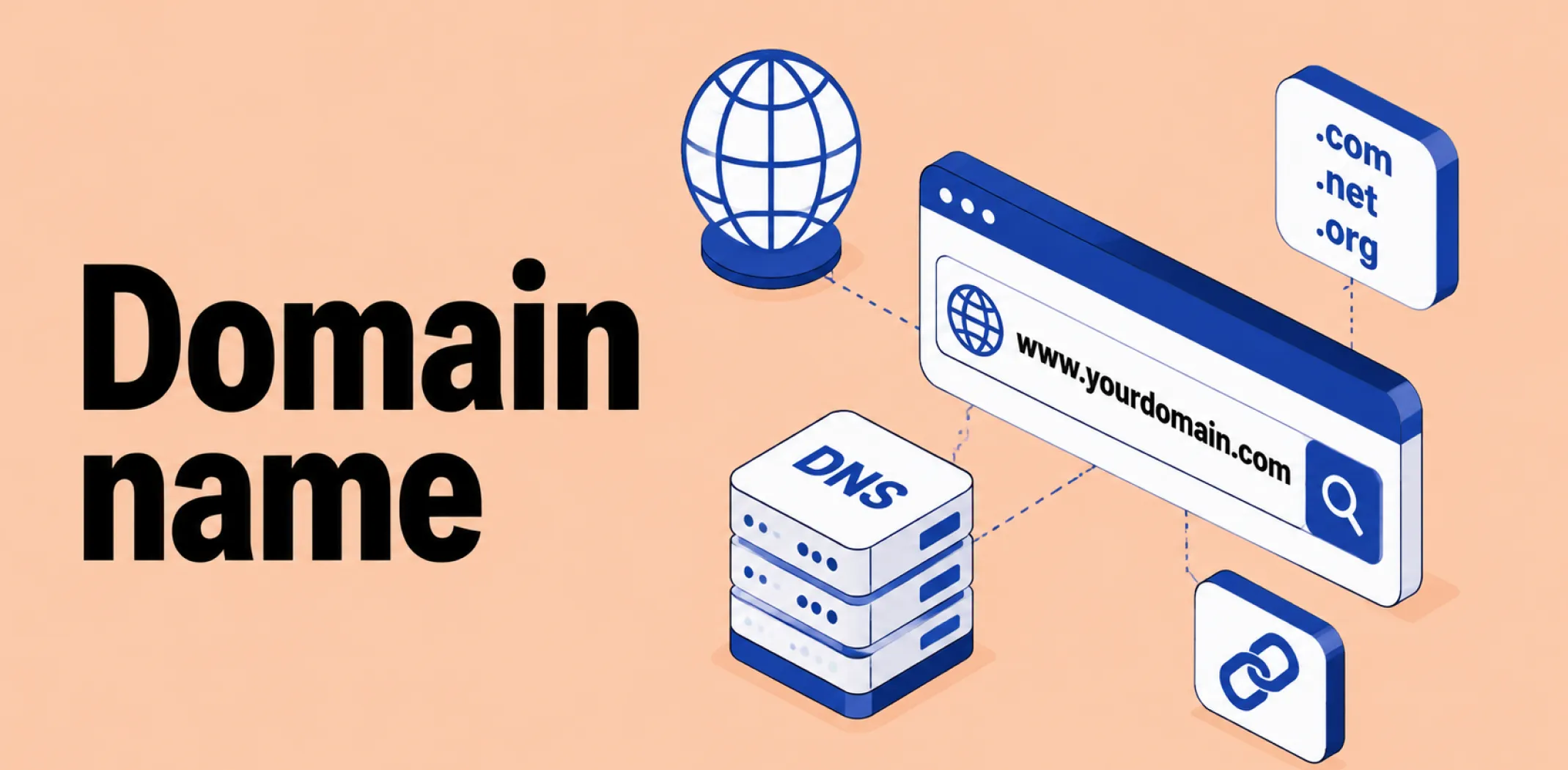
A domain name is the human-readable web address used to locate a website on the internet, such as www.trust-earning-profit.com, registered through an accredited provider and leased for a fixed, renewable period rather than purchased outright as permanent property.
Domain registration is overseen globally by the Internet Corporation for Assigned Names and Numbers (ICANN), a nonprofit organization responsible for ensuring that every domain name is unique and that the overall system remains stable and secure. Beneath ICANN, the process involves several distinct parties.
A registry manages the master database for a specific domain extension, such as Verisign for .com and .net; registries operate at the wholesale level and do not sell directly to the public.
A registrar is the accredited, customer-facing company through which businesses and individuals actually register a domain, such as GoDaddy or Namecheap; as of 2024, more than 2,800 registrars were accredited by ICANN worldwide. The registrant is the person or organisation registering the domain, who agrees to the registrar’s terms and is responsible for keeping registration details current and paying renewal fees.
Most domain registrations run in terms of up to ten years at a time, after which they must be renewed to remain active; allowing a domain to lapse can result in it becoming available for someone else to register. Many registrars also offer WHOIS privacy, a service that shields a registrant’s personal contact details from the publicly accessible domain ownership database.
Domain registration is frequently bundled with related services such as hosting, email, and an SSL certificate, though a domain name and the server space it points to remain conceptually and technically separate services.
Example
A new business owner wants to launch an online store and searches for available domain names through a registrar’s website. After finding that their first choice is already taken, they settle on an available alternative using a .shop extension, complete the registration for a one-year term, and then connect that domain to a separate hosting plan where their actual store files will be stored. Each year, the registrar sends a renewal reminder to ensure the domain registration does not lapse.
Key characteristics
- Leased, not owned: A domain name is registered for a fixed term, typically up to ten years, and must be renewed periodically rather than being purchased as permanent property.
- Globally unique: ICANN’s oversight ensures that no two registrants can hold the exact same domain name and extension combination at the same time.
- Separate from hosting: A domain name is the address visitors type into a browser, while hosting is the separate service that stores the actual website files the domain points to.
- Transferable between registrars: A registrant can move a domain to a different registrar through a defined transfer process, generally requiring an authentication code and confirmation from the current registrant.
- Privacy options available: WHOIS privacy services, often offered by registrars, can hide a registrant’s personal contact information from the public domain ownership database.
Related terms
- Extension – the suffix portion of a domain name, such as .com or .shop, managed by a registry specific to that extension.
- Hosting – the separate service that stores a website’s files on a server, to which a domain name is connected after registration.
- SSL certificate – a security certificate that verifies a domain’s ownership as part of enabling an encrypted HTTPS connection.
- Ecommerce – the broader category of online commercial activity for which a domain name serves as a business’s primary web address.
- WordPress – a content management system commonly installed on a hosting plan connected to a registered domain name.
Frequently asked questions
Do I own a domain name once I register it?
No, domain names are leased rather than purchased outright. Registration runs for a fixed term, typically up to ten years, and must be renewed before it expires to keep the domain active and prevent it from becoming available for someone else to register.
What is the difference between a registrar and a registry?
A registry manages the master database for a specific domain extension and operates at the wholesale level, such as Verisign for .com domains. A registrar is the accredited, customer-facing company through which the public actually registers a domain name, such as GoDaddy or Namecheap.
Do I need to buy hosting from the same company as my domain?
No, a domain name and hosting are separate services that can be purchased from different providers and connected afterward. Many companies offer both together for convenience, but there is no requirement to use the same provider for each.
Can I keep my personal information private when registering a domain?
Many registrars offer WHOIS privacy services that shield a registrant’s personal contact information from the publicly accessible domain ownership database. This service is sometimes included automatically and sometimes offered as an optional add-on, depending on the registrar.
AliDropship: An all-in-one platform for starting dropshipping in 2026
AliDropship is a dropshipping platform that covers store creation, product imports, order automation, and marketing within a single system. It is designed for users with no prior ecommerce experience, though it also supports scaling for more established stores.
🛍️ Free turnkey store
New users receive a free pre-built store – set up, designed, and stocked with products. The store includes a ready-to-use product catalogue and a standard storefront design. It also comes with hosting, a domain, SSL, and payment systems already set up and included.
📦 Products
The platform provides access to a product catalogue covering both trending and niche items, with one-click import to your store. The catalogue is updated regularly to reflect current market availability. Products can be browsed, filtered, and added without leaving the platform.
🚚 Shipping & fulfillment
AliDropship provides access to a vast catalogue of products from global suppliers and handles order fulfillment automatically once a purchase is made. Customers receive tracking information directly, and orders are processed without manual intervention from the store owner.
📣 Marketing & promotion tools
The platform includes built-in marketing tools covering email campaigns, discount management, SEO settings, and social media integration. These are available within the dashboard and do not require third-party subscriptions for basic use.
👌 Ease of use
AliDropship requires no coding knowledge. The dashboard contains all the necessary tools for managing your store, products, and orders in one place. Additional features and products can be added as the store grows without rebuilding the existing setup.
Do I own a domain name once I register it?
What is the difference between a registrar and a registry?
Do I need to buy hosting from the same company as my domain?
Can I keep my personal information private when registering a domain?
Are you ready to become an owner
of a profitable online business?
Free Dropshipping Guide