
Plugin

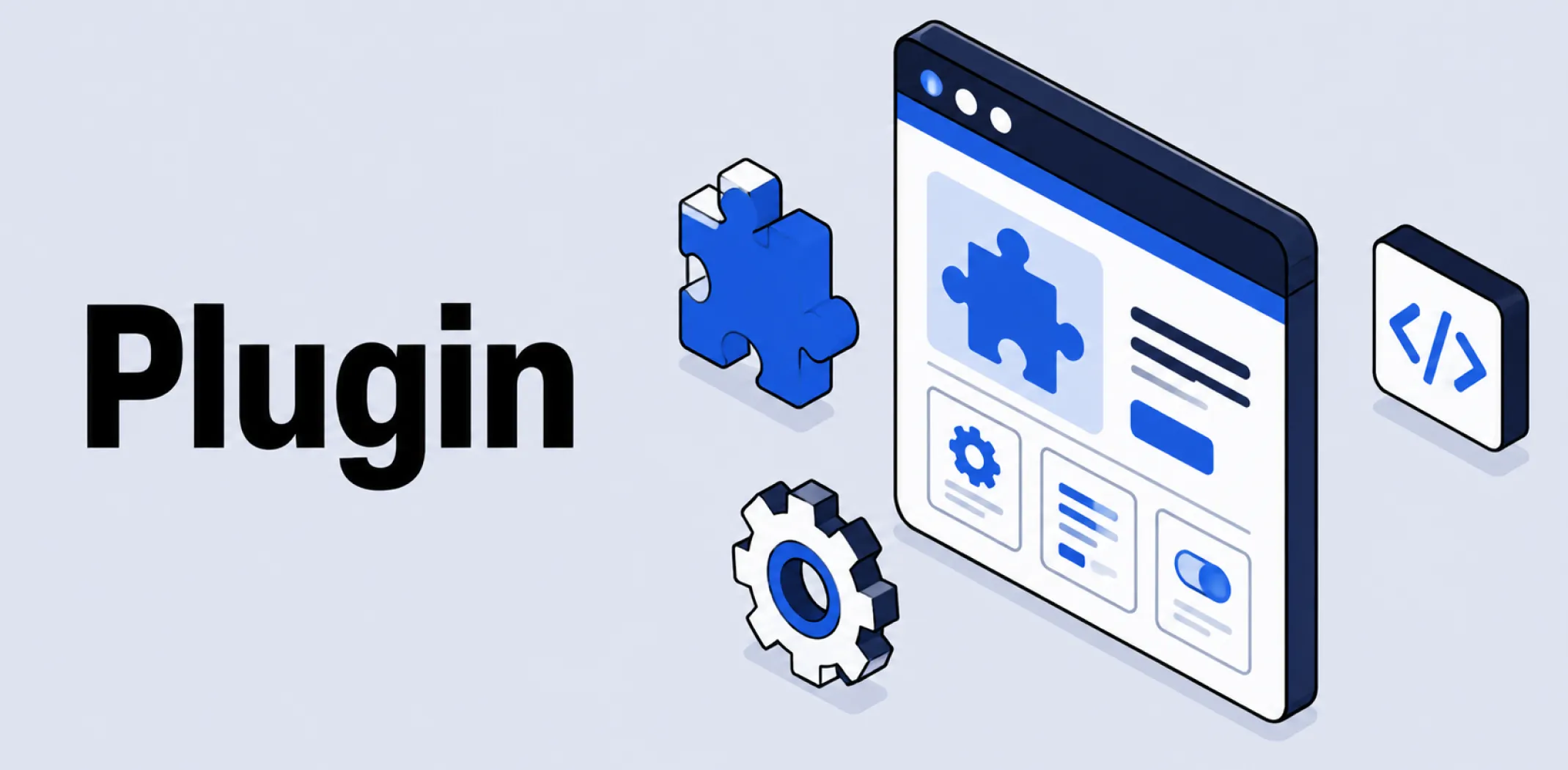
A plugin is a piece of installable software that adds new features or functionality to an existing website or application without requiring the core platform to be rebuilt or rewritten from scratch.
Plugins integrate with a host platform through a defined set of rules, often called an API, that determines how the plugin’s code can interact with the platform’s core functions and database. This structure allows a plugin to add, modify, or extend behaviour while keeping it as a separate, independently activatable module.
On WordPress, this model has produced one of the largest plugin ecosystems in web software, with tens of thousands of free and paid plugins covering categories such as ecommerce, SEO, security, page building, and contact forms. A single plugin can be as simple as a contact form or as complex as WooCommerce, which turns a standard WordPress site into a complete online store.
Different platforms use different terminology for what is functionally the same concept. WordPress and similar content management systems use the term plugin. Shopify and several other hosted ecommerce platforms refer to equivalent add-ons as apps, distributed through their own app marketplace rather than a plugin directory.
Web browsers such as Chrome and Firefox use the term extension for comparable add-ons that modify browsing behaviour rather than a website’s own functionality. In each case, the underlying idea is the same: a separate piece of software that plugs into a larger system to add a specific capability, without altering the core platform itself.
Example
A blogger running a WordPress site wants to start selling a small range of merchandise without rebuilding the entire site on a different platform. They install the WooCommerce plugin, which adds product pages, a shopping cart, and checkout functionality directly into their existing WordPress dashboard. They also install a separate SEO plugin to optimise product listings for search engines, with both plugins operating independently of the site’s visual theme and of each other.
Key characteristics
- Adds functionality, not design: A plugin extends what a website can do, in contrast to a theme, which controls how a website looks.
- Installed independently: Plugins can typically be activated, deactivated, or removed without affecting a site’s existing content, theme, or other installed plugins, though conflicts between plugins can sometimes occur.
- Platform-specific terminology: The same underlying concept is called a plugin on WordPress, an app on Shopify, and an extension in a web browser, depending on the platform.
- Free and paid options: Many plugin directories offer both free plugins with basic functionality and premium plugins with additional features, ongoing support, or regular updates.
- Security and performance considerations: Installing too many plugins, or plugins from untrusted sources, can slow down a website or introduce security vulnerabilities, making plugin selection and maintenance an ongoing responsibility for site owners.
Related terms
- WooCommerce – an ecommerce plugin for WordPress that is one of the most widely used examples of a plugin transforming a site’s core functionality.
- Theme – a pre-designed template controlling a website’s visual appearance, distinct from a plugin, which controls functionality rather than design.
- Ecommerce – the broader category of online commercial activity that many plugins, such as store-building and payment plugins, are designed to support.
- Payment gateway – a checkout service commonly connected to a website through a dedicated plugin or app, depending on the platform.
- Dropship – a fulfillment model often supported through dedicated plugins that connect a store to supplier catalogues and automate order processing.
Frequently asked questions
What is the difference between a plugin and a theme?
A plugin adds or extends functionality on a website, such as a contact form, ecommerce features, or SEO tools, while a theme controls the website’s visual design and layout. The two operate independently, meaning a plugin generally continues working even if the site’s theme is changed.
Are plugins the same as apps on Shopify?
Plugins and Shopify apps serve the same basic purpose, extending a platform’s functionality, but the terminology differs by platform. WordPress and similar content management systems use the term plugin, while Shopify and some other hosted ecommerce platforms call equivalent add-ons apps.
Do plugins require coding knowledge to use?
Most plugins are designed to be installed and configured through a visual dashboard without requiring coding knowledge. Developers can also build custom plugins or modify existing ones using languages such as PHP or JavaScript, but this is not necessary for basic use.
Can too many plugins cause problems on a website?
Installing a large number of plugins, or plugins from untrusted sources, can slow down a website’s performance and increase the risk of security vulnerabilities or conflicts between plugins. Most guidance recommends installing only the plugins a site genuinely needs and keeping them regularly updated.
AliDropship: An all-in-one platform for starting dropshipping in 2026
AliDropship is a dropshipping platform that covers store creation, product imports, order automation, and marketing within a single system. It is designed for users with no prior ecommerce experience, though it also supports scaling for more established stores.
🛍️ Free turnkey store
New users receive a free pre-built store – set up, designed, and stocked with products. The store includes a ready-to-use product catalogue and a standard storefront design. It also comes with hosting, a domain, SSL, and payment systems already set up and included.
📦 Products
The platform provides access to a product catalogue covering both trending and niche items, with one-click import to your store. The catalogue is updated regularly to reflect current market availability. Products can be browsed, filtered, and added without leaving the platform.
🚚 Shipping & fulfillment
AliDropship provides access to a vast catalogue of products from global suppliers and handles order fulfillment automatically once a purchase is made. Customers receive tracking information directly, and orders are processed without manual intervention from the store owner.
📣 Marketing & promotion tools
The platform includes built-in marketing tools covering email campaigns, discount management, SEO settings, and social media integration. These are available within the dashboard and do not require third-party subscriptions for basic use.
👌 Ease of use
AliDropship requires no coding knowledge. The dashboard contains all the necessary tools for managing your store, products, and orders in one place. Additional features and products can be added as the store grows without rebuilding the existing setup.
What is the difference between a plugin and a theme?
Are plugins the same as apps on Shopify?
Do plugins require coding knowledge to use?
Can too many plugins cause problems on a website?
Are you ready to become an owner
of a profitable online business?
Free Dropshipping Guide