
App

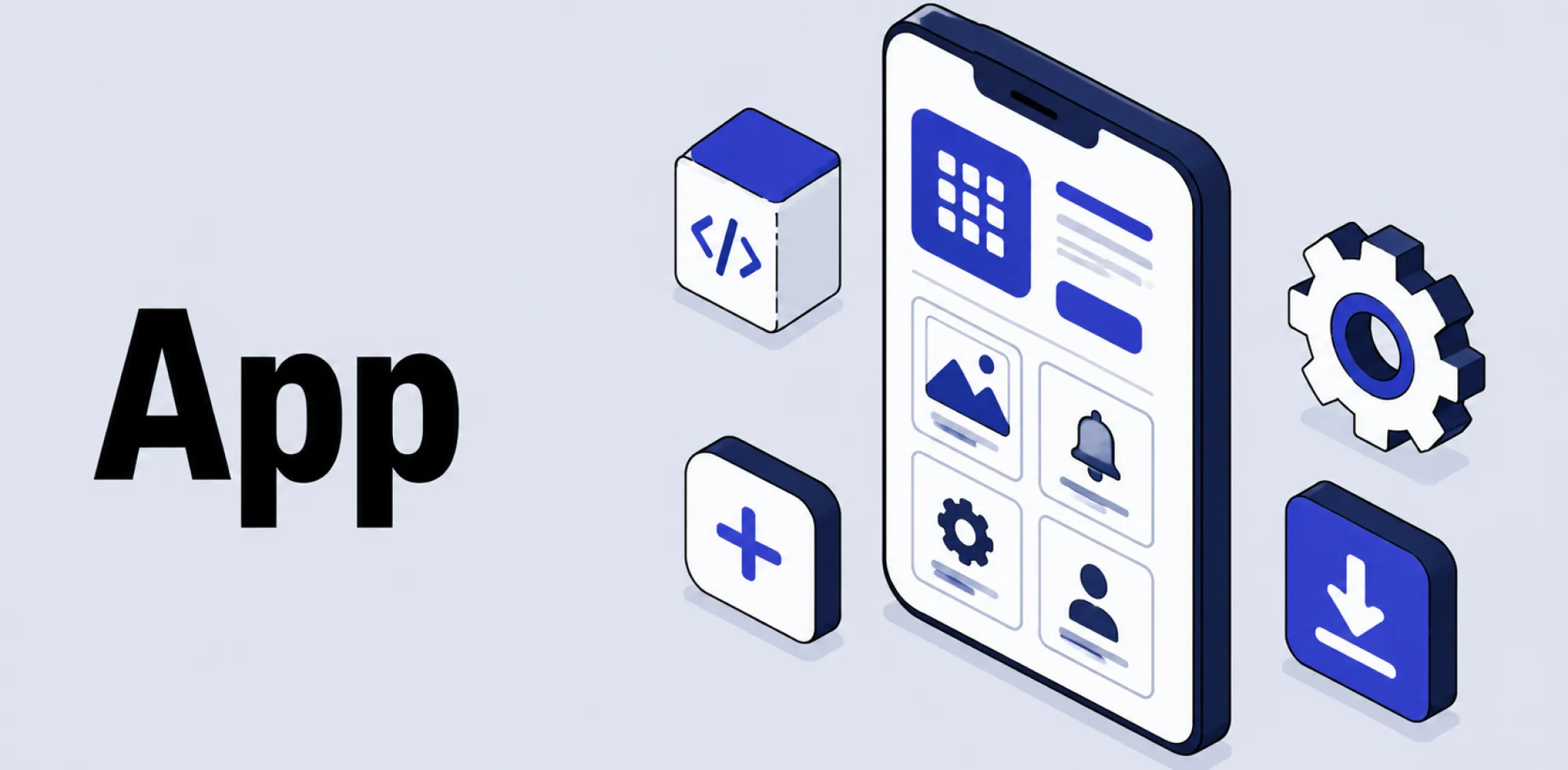
In ecommerce, the term app is used in two related but distinct ways: a platform app, an installable add-on that extends the functionality of a hosted ecommerce platform such as Shopify, and a mobile shopping app, a standalone application that lets customers browse and purchase from a store directly on their phone or tablet, separate from the store’s website.
On platforms such as Shopify, “app” refers to what other platforms might call a plugin or extension: an installable piece of software that adds features such as marketing automation, product reviews, or upsell pop-ups to a store without requiring custom development.
As of early 2025, the Shopify App Store hosted more than 12,000 apps spanning categories from store design to fulfillment, with developers across the ecosystem collectively earning well over a billion dollars from sales since the marketplace launched. This app-store model mirrors how mobile operating systems distribute software, giving merchants a centralized, vetted place to discover and install add-ons.
The second meaning, a mobile shopping app, refers to a dedicated application installed directly on a customer’s device, distinct from a mobile-optimized website.
Some merchants build a custom branded app tied to their own store, while platforms such as Shopify also operate a separate consumer-facing app of their own, a free, multi-brand shopping platform that lets customers browse and track orders across many different Shopify stores from one place.
Mobile commerce has become a significant share of online sales, with more than half of mobile ecommerce transactions in 2025 occurring inside dedicated apps rather than mobile browsers, and apps generally converting at notably higher rates than mobile websites due to faster navigation and a more persistent connection to the customer through features like push notifications.
Example
A growing skincare brand running a Shopify store installs a platform app that adds personalized product recommendations to the storefront. As the brand’s customer base grows, the team also commissions a custom mobile shopping app so repeat customers can reorder favorite products in a few taps and receive push notifications about new launches, while new visitors continue to discover the brand through the regular website and through Shopify’s own consumer shopping app.
Key characteristics
- Two distinct meanings: “App” can refer to a platform add-on installed within an ecommerce backend, or to a standalone mobile application used by customers to shop.
- Marketplace distribution: Platform apps are typically distributed through a centralized, vetted marketplace such as the Shopify App Store, similar in structure to a mobile operating system’s app store.
- Mobile apps as a separate sales channel: A dedicated shopping app gives merchants a direct line to customers through push notifications, independent of search engines or social media algorithms.
- Higher conversion potential: Mobile shopping apps generally convert at higher rates than mobile websites, due to faster load times, native navigation, and reduced checkout friction.
- Development cost and complexity vary: A custom mobile app can be built using a no-code app builder in a matter of weeks, or developed from scratch over several months, depending on the level of customization required.
Related terms
- Plugin – a closely related concept to a platform app, typically the term used on platforms such as WordPress for the same kind of installable add-on.
- Extension – another closely related term, generally used for browser-level add-ons rather than platform-specific or mobile apps.
- Ecommerce – the broader category of online commercial activity that both platform apps and mobile shopping apps are built to support.
- Payment gateway – the service that processes transactions within a mobile shopping app’s checkout flow, integrated through native or third-party connections.
- Dropship – a fulfillment model often managed through dedicated platform apps that connect a store to supplier catalogues and automate order processing.
Frequently asked questions
What is the difference between an app, a plugin, and an extension?
The three terms describe a similar underlying concept, an installable add-on that extends existing software, but the terminology varies by platform. Shopify and similar hosted ecommerce platforms call these add-ons apps, WordPress calls them plugins, and web browsers call them extensions.
Does my store need its own mobile shopping app?
A dedicated mobile app is not essential for every store, particularly smaller or newly launched businesses, since a well-optimized mobile website can serve most customers’ needs. As a store grows its repeat customer base, a mobile app can become a valuable channel for retention and direct communication through push notifications.
What is the Shopify App Store?
The Shopify App Store is a centralized marketplace where merchants can browse and install apps built by third-party developers to extend their store’s functionality, covering categories such as marketing, store design, and order fulfillment. As of early 2025, the marketplace hosted more than 12,000 apps.
How is a Shopify mobile app different from the Shop app?
A Shopify mobile app is a branded application built specifically for a single merchant’s store, while the Shop app is a separate, free shopping platform operated by Shopify that lets customers browse and track orders across many different Shopify stores from one place.
AliDropship: An all-in-one platform for starting dropshipping in 2026
AliDropship is a dropshipping platform that covers store creation, product imports, order automation, and marketing within a single system. It is designed for users with no prior ecommerce experience, though it also supports scaling for more established stores.
🛍️ Free turnkey store
New users receive a free pre-built store – set up, designed, and stocked with products. The store includes a ready-to-use product catalogue and a standard storefront design. It also comes with hosting, a domain, SSL, and payment systems already set up and included.
📦 Products
The platform provides access to a product catalogue covering both trending and niche items, with one-click import to your store. The catalogue is updated regularly to reflect current market availability. Products can be browsed, filtered, and added without leaving the platform.
🚚 Shipping & fulfillment
AliDropship provides access to a vast catalogue of products from global suppliers and handles order fulfillment automatically once a purchase is made. Customers receive tracking information directly, and orders are processed without manual intervention from the store owner.
📣 Marketing & promotion tools
The platform includes built-in marketing tools covering email campaigns, discount management, SEO settings, and social media integration. These are available within the dashboard and do not require third-party subscriptions for basic use.
👌 Ease of use
AliDropship requires no coding knowledge. The dashboard contains all the necessary tools for managing your store, products, and orders in one place. Additional features and products can be added as the store grows without rebuilding the existing setup.
What is the difference between an app, a plugin, and an extension?
Does my store need its own mobile shopping app?
What is the Shopify App Store?
How is a Shopify mobile app different from the Shop app?
Are you ready to become an owner
of a profitable online business?
Free Dropshipping Guide